
127 billion in applications for education and cultural matters
The pandemic has had a significant impact on our education system. Work is being done day and night to get the school operations on the right track. Everyone is striving to achieve this as soon as possible, and the government's priority is education. Excellent education is a key prerequisite for Iceland to be competitive in international comparisons. Value creation in the coming decades will increasingly rely on skills, ingenuity, research, and innovation. The rapid technological changes that have occurred in recent years, known as the fourth industrial revolution, will affect Icelandic society and the economy in the coming decades. Technological advances have raised hopes that opportunities to create new and better jobs will increase rapidly, and the quality of life can improve in many areas of society. The nation's foreign currency generation has been largely resource-driven. It is wise to diversify the pillars of exports.
Increasingly, value creation needs to be based on ingenuity, research, and innovation to strengthen the foundations of economic growth in the long term. Education and increased competence are the basis for sustainability, progress, and improved quality of life. The government demonstrates its willingness in action in the budget bill, and appropriations for matters under the Ministry of Education and Culture will increase by 11% year-on-year and will be 127.2 billion ISK next year.
Increased investment in education and science
About 40% of the ministry's allocations go to university activities, which is the largest single sector of the ministry. Contributions to university and research activities will increase by 7% year-on-year, involving both increased direct support for school operations and allocations for specific projects. One of the promises in the government's policy agreement was that contributions to the university level would reach the average of the countries of the Organisation for Economic Co-operation and Development (OECD). This has been achieved and is a cause for celebration.
Increased contributions to the Student Innovation Fund amount to 300 million ISK, and 159 million ISK is allocated to increase placements in nursing and studies for assistant nurses. It is also envisaged that there will be significantly increased allocations to support students, as 2021 will be the first full operating year of the new Student Loan Fund.
Funding for secondary schools will increase by 3.6% year-on-year and will be 36.2 billion ISK. There will be investments in various educational reforms that are intended to benefit all school levels, and allocations in research and science funds will increase by 67% year-on-year, from 6.2 billion ISK to 10.3 billion ISK.
Increased recognition of the value of culture
The scope in the field of cultural affairs will increase significantly year-on-year. Allocations for museum affairs will increase by 11%, with allocations for cultural institutions increasing by 9%, and cultural funds will also grow by 9%. Among individual items, there will be a 300 million ISK allocation for the housing affairs of the Icelandic Museum of Natural History, 200 million ISK for preparing a science and experience exhibition for children and young people, and a 225 million ISK increase due to the temporary increase in artists' salaries. This temporary increase is equivalent to an additional allocation for 550 months added to the 1,600 months generally allocated according to the law. Earmarked funding for artists' salaries will thus be 905.6 million ISK next year according to the bill. Additionally, 550 million ISK is earmarked for goals and measures in a new film policy to be announced in the coming days.
Efforts to strengthen the Authors' Library Fund continue, which pays copyright owners for the use of their works, and its funds are increased by 75 million ISK. Plans are also underway to allocate 25 million ISK to strengthen library operations, research, and development and collaboration projects in library and information affairs. Throughout 2021, work will be carried out on an action plan for a new cultural policy. I hope it will be an encouragement and inspiration for the many working in the field of Icelandic culture to continue their good work.
This year's budget bill clearly shows the importance of education and culture and how they are prioritized for their benefit. A knowledge-driven economy relies on an excellent education system. We are investing in the future by prioritizing education. Education is one of the greatest driving forces for individuals, where opportunities are created through the education system.
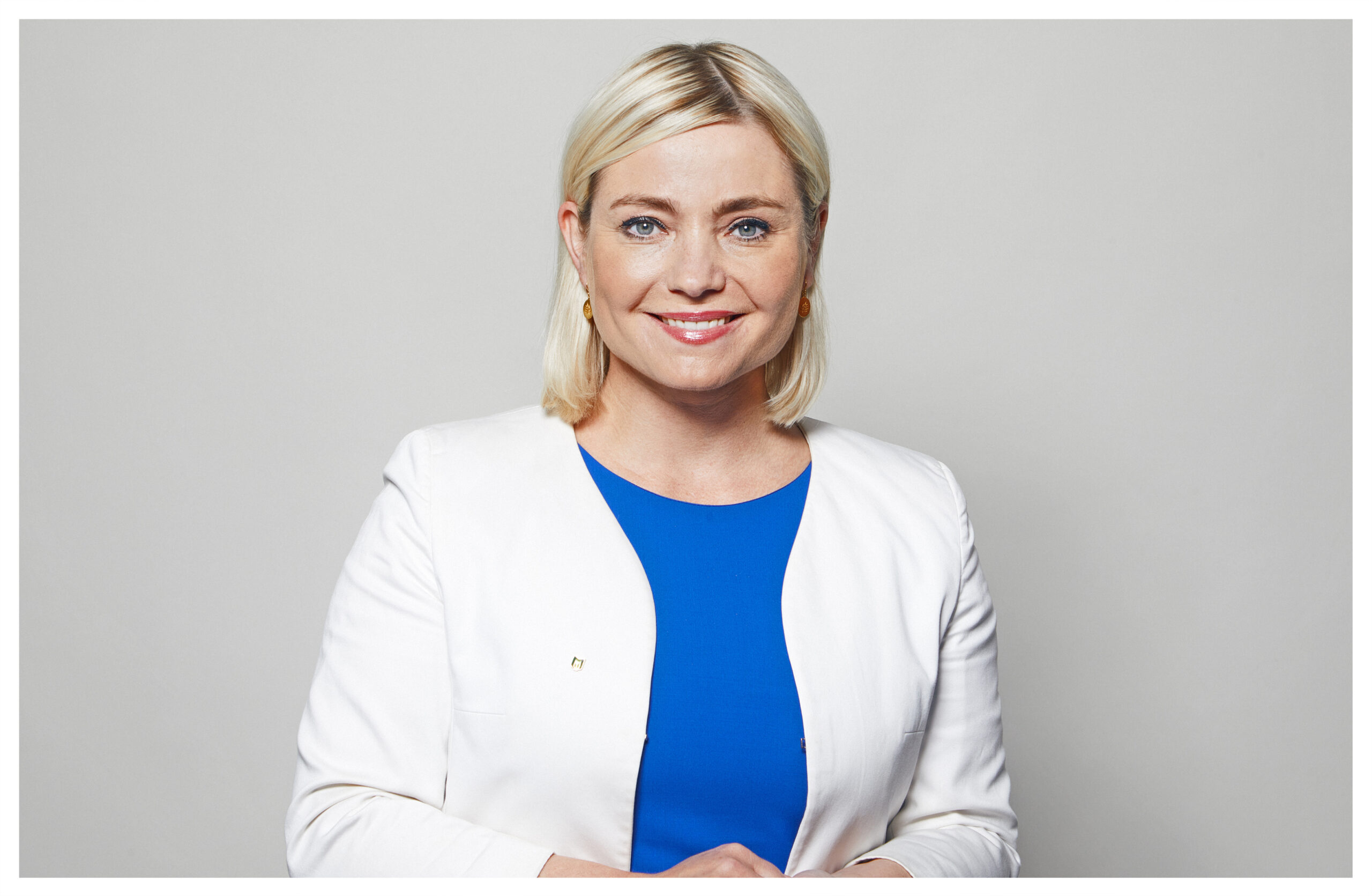
Lilja Dögg Alfreðsdóttir, Minister of Education and Culture and Deputy Chairperson of Framsókn.
The article was first published in Morgunblaðið on 24 October 2020.