35 thousand new apartments create the long-awaited balance in the housing market.
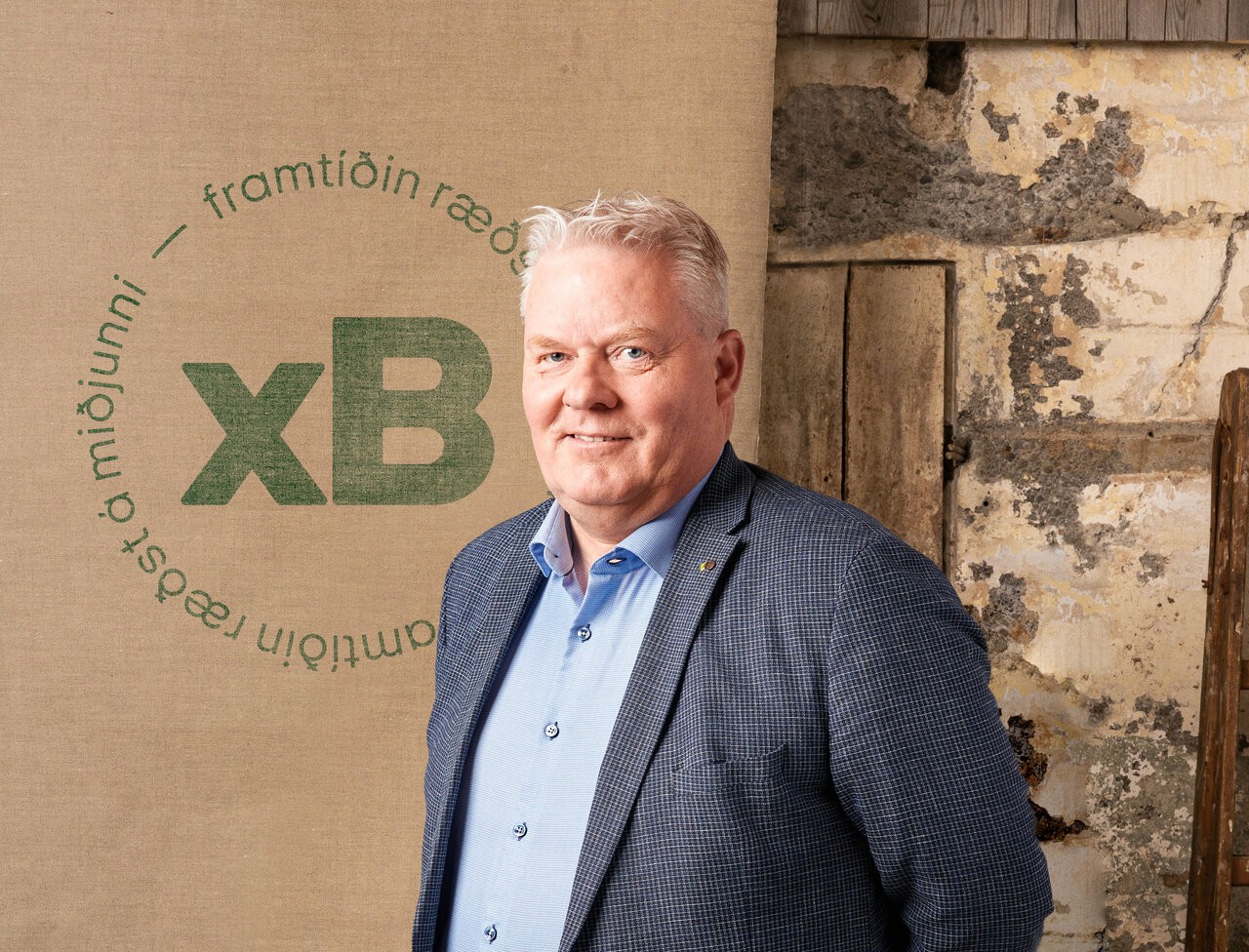
Sigurður Ingi Jóhannsson, Minister of Infrastructure, presented today the objective of increasing the supply of housing in the coming years. He stated that approximately 35 thousand apartments need to be built across the country over the next ten years. Until now, there has been a lack of a clear vision of how many apartments need to be built each year. For the first time, the state and municipalities have reached an agreement on a joint vision for actions and improvements in the housing market for ten years, 2023-2032.
A framework agreement to this effect was signed today, marking a milestone as the first contract of its kind. The state and municipalities agree on policies and targeted actions to ensure the construction of apartments in accordance with the needs of different groups, including those with lower incomes and less wealth.
Sigurður Ingi Jóhannsson, Minister of Infrastructure, Aldís Hafsteinsdóttir, Chair of the Association of Icelandic Municipalities, and Hermann Jónasson, Director General of the Housing and Construction Authority (HMS), signed the framework agreement among others. The agreement is based on the findings of a task force on actions and improvements in the housing market, presented last May, and was composed of representatives from the state, municipalities, and the labor market.
The purpose of the framework agreement is to increase the supply of new apartments to meet the anticipated housing needs of various groups in society for both the short and long term and to contribute to increased stability and balance in the housing market over the next ten years.
Sigurður Ingi Jóhannsson, Minister of Infrastructure: “One of the biggest priorities in the government’s agreement is to achieve balance in the housing market and prevent the significant fluctuations that have characterized it in recent years. The consequences of these fluctuations include the difficulty faced by first-time buyers in entering the housing market. The situation calls for a coordinated effort, and I welcome that the state and municipalities have now come together on a joint vision for the most important tasks ahead. It is clear that 35 thousand apartments need to be built across the country over the next ten years. It is especially gratifying that the state and municipalities have agreed that 30% of the total construction shall be affordable apartments at reasonable prices and 5% social housing solutions to improve the status of vulnerable groups in the housing market. Therefore, special emphasis will be placed on building over 12 thousand affordable apartments at reasonable prices.”
Aldís Hafsteinsdóttir, Chair of the Board of the Association of Icelandic Municipalities: “This is an important milestone in our necessary journey to ensure sufficient land supply to meet the high demand for diverse housing that currently exists and is anticipated in the coming years. We must achieve balance in the housing market and prevent the fluctuations that threaten stability in the national economy. The next steps will be that the municipalities themselves will now enter into agreements with the state based on this framework agreement, where financial support from the state is expected to ensure sufficient land supply on their behalf, along with the necessary infrastructure development. The association will support the negotiation process and follow up in good cooperation with HMS on the action plan that is part of this framework agreement.”
Hermann Jónasson, Director General of HMS: “This framework agreement marks a milestone in the housing market in Iceland, where the state and municipalities across the country unite in a long-term housing development plan. Careful planning and real-time follow-up with data is a prerequisite for achieving stability in the housing market. We at HMS look forward to having good cooperation with the municipalities on this important issue that affects every household in the country, and everyone can relate to in one way or another.”
Main objectives of the framework agreement between the state and municipalities
The agreement sets forth four main objectives, each accompanied by defined actions, totaling 24 in the action plan that accompanies the agreement.
1. Development in accordance with needs
The state and municipalities agree that 35,000 apartments need to be built to meet the anticipated housing needs from 2023 to 2032, but also to address unmet housing needs. During this period, at least 4,000 apartments must be built annually over the first five years and 3,500 apartments annually over the latter five years.
2. Supply of apartments at affordable prices
The state and municipalities also agree on a special emphasis on the construction of affordable apartments at reasonable prices, and that the proportion of these should be around 30% of all new apartments. The aim is to meet the needs of various community groups, such as tenants, first-time buyers, and people with low incomes and assets.
Furthermore, it has been agreed that during the contract period, social housing solutions will average as close to 5% of all new housing. Social housing solutions refer to apartments that municipalities are legally obliged to provide to individuals or families.
Finally, it is stipulated that a specific effort will be initiated to eliminate waiting lists for specialized housing solutions for people with disabilities. Specialized housing solutions refer to apartments designated for people with disabilities who have been assessed as being in significant need of support in their own homes.
3. Housing plans as key management tools
Digital housing plans will serve as key management tools for the state and municipalities to keep track of the goals for housing development nationwide. One fundamental premise of the agreement is that municipalities participate and take action to provide buildable land in accordance with housing plans, and that the state will provide funding for housing support to achieve the goals during the contract period.
HMS will work to develop housing plans with municipalities across the country. Agreements will be made with individual municipalities with the aim of increasing land supply along with providing necessary financial support to ensure apartment development.
4. A single process for housing development
The state and municipalities finally agree to redefine legal processes and practices in planning and building matters concerning the construction of residential buildings. Emphasis is placed on ensuring that the joint main goal of legislation is to guarantee all citizens access to safe housing.
The agreement states that by integrating many processes into one, better oversight can be achieved, planning will be more purposeful, and efficiency can be increased, which will ultimately lead to greater stability in the housing market.
Diverse actions
A total of 24 actions are outlined in the action plan accompanying the agreement. Examples of actions include:
A bill proposed for amendments to planning laws in the autumn session of 2022, including to legislate the authority of municipalities to condition the use of land for the construction of affordable apartments at reasonable prices regardless of land ownership. (A6)
An initiative to eradicate unacceptable housing, including on commercial sites and residential properties where safety requirements are not met. (C5)
Processes for creating detailed plans and granting building permits will be integrated. (D2)
Processes for creating master plans and housing plans will be integrated. (D3)
A bill drafted to time-limit construction permits based on approved detailed plans. (D6)
Further information: