Actions against bullying and violence in the workplace
The 108th International Labour Conference recently concluded. It was commemorated in various ways, marking a century since the establishment began operations in 1919. It was set the objective of addressing the social issues that all countries were struggling with, which could only be overcome through a joint social effort of the nations. The representatives of governments, employers, and employees who shaped the International Labour Organization were firmly convinced that lasting peace would not be assured unless social justice was first achieved within the national societies. Injustice would be the source of conflicts leading to wars between nations. These representatives had in mind scorched earth and ruins, with many suffering greatly from the immense human sacrifices of the First World War.
Many national leaders and policymakers in social and labour affairs attended the conference for this occasion. Notable mentions include the presidents of Italy, France, Ghana, and South Africa. Furthermore, several prime ministers were present, including those from Norway, Sweden, Luxembourg, the United Kingdom, Nepal, and others. Never in the history of the organisation have so many attended the conference, with over six thousand representatives of governments, employer organisations, and employee associations.
One of the most important tasks of the International Labour Conference is to review the annual report of the organisation’s committee of experts on the implementation by its 187 member states of international conventions on social and labour issues that they have ratified. The implementation of Turkey regarding the international convention on freedom of association was among the subjects discussed at the conference. Representatives of employees were very critical of the situation in the country and cited numerous examples of how authorities had hindered the activities of trade unions that were not favourable to them. It was also pointed out how tens of thousands had been detained due to fabricated claims of support for a failed coup attempt a few years ago.
Preparation for the anniversary year began three years ago. Member states were encouraged to initiate discussions and research projects on responses to foreseeable changes in the organisation of work and work environments. The Nordic countries answered this call with a joint project that consisted of annual conferences on specific aspects of social and labour issues. The climax of the Nordic project was a conference held in Harpa on April 4 and 5 of this year. The consensus was that this conference was outstanding both in terms of organisation and discussions. A committee under the International Labour Organisation, chaired by Stefan Löfven, the Prime Minister of Sweden, processed the research and data from the conferences held in relation to the centenary and published a report. It included leaders of nations and heads of employer and employee organisations globally. The content of the report was discussed in seven interesting panel discussions at the International Labour Conference. The main conclusion is that emphasis must be placed on retraining and education, along with a social support system that provides people with the opportunity to respond to inevitable changes that come with new technology and altered methods of work and production.
For this anniversary conference of the International Labour Organisation, proposals were made for a new international convention and recommendations for further measures against bullying and violence in the workplace. This was a second discussion following an earlier discussion at the conference in 2018, which ended in significant disagreement, particularly regarding definitions and the enumeration of groups that could be considered vulnerable to workplace harassment. After intense discussions, good consensus was reached in the conference committee that lasted until the end of the assembly. The proposal for the adoption and recommendations enjoyed broad support from the parliamentary representatives. The significance of these resolutions lies in the fact that they lay the groundwork for actions to create a working environment based on respect for human dignity, free from all forms of violence and bullying.
I have already requested the cooperation committee of the Ministry of Social Affairs and the main employer and employee organisations concerning issues of the International Labour Organisation to consider the adoption with a view to ensuring that Iceland will be among the countries that ratify this new international convention first, which especially aims to guarantee a decent working environment.
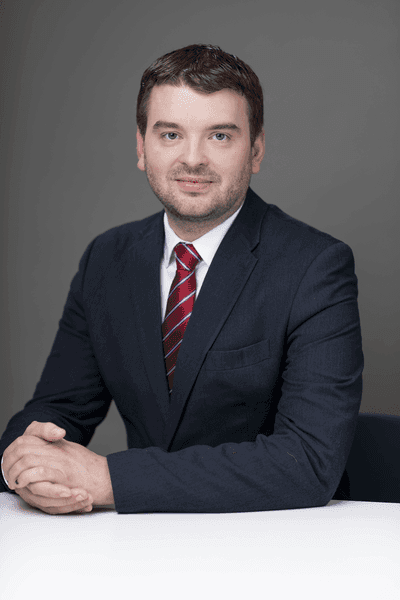
Ásmundur Einar Daðason, Minister of Social Affairs and Children. The article was first published in Morgunblaðið on 10 August 2019.