Actions should start benefiting coastal communities that have been most adversely affected by quota transfers.
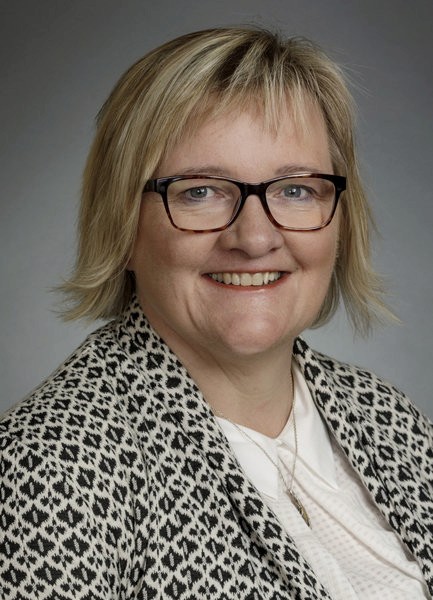
Halla Signý Kristjánsdóttir, member of parliament for Framsókn in the Northwest constituency, said during a debate on the fisheries management system, in the Althing last week, that the main objectives of the fisheries management system, which were to promote the conservation and efficient use of the country's marine resources and thereby ensure stable employment in the country, had been achieved initially. But she said this had not been without pain.
“Yes, this has been accomplished and this history can be traced back to when the Marine Research Institute reported that in order to maximise the yield of the cod stock, fishing effort would need to be halved and at the same time prevent the killing of small fish due to its poor condition. But then the quota was put on the market and dissent about the system began. Significant vertical integration of fishing companies has certainly resulted in larger and more valuable companies, but by the same token, the quota has been moving between communities, so in some communities little remains except the social quota that is shared,” said Halla Signý.
“We tend to boast that the Icelandic fisheries sector is the best and most sustainable in the world. But to be considered sustainable, the system needs to be economically, environmentally, and socially sustainable. There is no doubt that our system is economically sustainable, in environmental issues the Icelandic fishing industry stands strong and the marine resources have thrived.
But is our fisheries management system socially sustainable?
There are certainly improvements to be made. The honourable Minister of Fisheries has appointed a committee to review the social quota and I want to encourage him to act decisively in this task and to ensure that measures start benefiting those fishing communities that have been most adversely affected by quota transfers,” said Halla Signý.