Responsible public finances key to development

We live in extremely interesting times in international affairs. Power shifts in Britain and the United States, upcoming elections in Germany, tighter economic conditions in the European Union, ongoing warfare in Ukraine, and significant changes in the Middle East create a complex and ever-evolving landscape in international relations. Nation-states and international organisations are preparing for intensifying competition in international trade, where tariffs and trade barriers may shape developments. At the same time, many countries are still grappling with the aftermath of the shocks caused by the COVID-19 pandemic in their economies, which has had a profound impact on government finances worldwide.
On the other hand, Iceland has come out well from these challenges and has demonstrated great resilience in its economic management. The lesson from the economic management of the Republic years has proven itself once again: it is essential that the state treasury is always well-prepared to meet economic shocks, both internal and external. Thus, net government debt currently amounts to around 30% of gross domestic product (GDP), which is a very favourable position compared to other countries. In comparison, the debt of countries in the eurozone is about 90% of GDP and in Britain about 100%, where the quest for sustainable economic growth remains the primary challenge.
One of the most pressing tasks of public finance here is to continue along the path set by the previous government, with the aim of reducing the government treasury's cost of capital. It is necessary to ensure that the state’s lending terms reflect the strong position of the country on the international stage. This achievement has already resulted in an upgrade of Iceland's sovereign credit rating last year, which is testimony to the strong underlying strength of the economy.
On the other hand, many countries face significant challenges. In Britain, economic growth is slow while debts are increasing. International investors, such as Ray Dalio, founder of the Bridgewater hedge fund, have expressed concerns about the state of British public finances and pointed out that the country could end up in a negative debt spiral. Such a development could mean an ever-increasing need for loan capital to cover the interest. Dalio points to rising yields on 30-year government bonds and a weak pound as signs of increased difficulties in Britain's public finances. Additionally, the budget deficit stands at over 4% of GDP, which reduces the financial leeway of the government.
At this turning point, it is crucial that the Icelandic government makes sensible and forward-looking decisions in public finances. It is important to maintain the good results that have already been achieved and to promote ongoing stability. All decisions that could jeopardise the downward trend of the Central Bank's interest rates or create negative pressure on the economy must be avoided.
The key to a successful future is to lower the government treasury's cost of capital, create increased leeway for development, and ensure that businesses and individuals have good conditions to create value and contribute to economic growth.
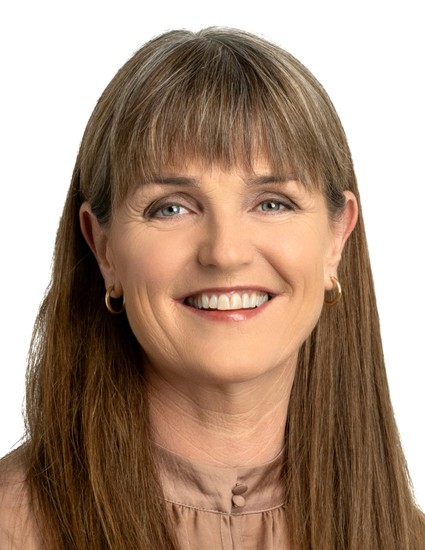
Lilja Dögg Alfreðsdóttir, Vice-chair of the Progressive Party.
The article was first published in Morgunblaðið on January 23, 2025.