Responsible and strong public finance
The economic policy of the government has been successful. The employment rate is high and robust economic growth is evident. It is desirable to live in Iceland, as evidenced by the growing population. However, inflation is recorded at 9.5% which is too high. Therefore, the task of economic management is number 1, 2, and 3 to reduce it. The credibility of the economic policy depends on its success.
There has been significant dynamism in the Icelandic economy, but its growth last year was measured at 6.4%, which has not been higher since 2007. Economic growth continues to be driven by strong domestic demand, which has risen by 8.6%. However, it is likely that growth in private consumption will slow down because access for households and businesses to loan capital is diminishing and financial conditions have tightened due to repeated interest rate increases by the Central Bank of Iceland. We are already beginning to see signs of this, as private consumption grew by 2.5% in the first quarter. Similarly, investment in the fisheries sector has contracted by 14% in this quarter. Lastly, it is worth mentioning that retail sales volume has decreased in real terms for the first time in a long time! Additionally, it is positive to see that business terms for goods and services have improved year-on-year by 3%, which has a positive effect on the exchange rate of the króna and should positively influence inflation trends as the exchange rate has been strengthening.
Inflation has been more persistent than expected. Domestic inflation has been significant, while in contrast, global inflation has decreased and the exchange rate of the króna has remained strong due to a high volume in the tourism sector. Market participants' expectations for inflation are still too high, and the Central Bank of Iceland predicts inflation will be 8% for the remainder of the year. According to a survey by the Central Bank of Iceland from May, market participants expect interest rates to remain at 8.5% for this quarter before decreasing to 6% after two years.
This is too high inflation, and therefore the authorities have responded decisively to rein in inflation expectations.
First, it should be noted that the law will be amended to ensure that the salaries of elected representatives and senior officials of the state will increase by 2.5% instead of 6% on 1 July this year. This will ensure that the salaries of senior officials do not create additional inflationary pressure. The increase is in line with the inflation target of the Central Bank of Iceland, which is 2.5%. These are clear signals that the government is on a clear path to achieve the inflation target.
Housing prices increased by 25.5% in the metropolitan area last July, primarily due to a supply shortage. However, the supply of apartments has been increasing, and the rise in housing prices is beginning to slow down. The government is taking further steps to alleviate the supply shortage, and consequently, capital allocations for the construction of rental apartments within the public housing system will be doubled, and contributions to subsidised loans will be further increased so that instead of 500 apartments being built annually in 2024 and 2025, it will be 1000 apartments per year. In addition, 250 new apartments will be added to the previous plans for this year, bringing the total to nearly 800. This supports increased supply in the housing market. Here, the government is once again taking significant steps to increase supply, and it is essential that local authorities support this development.
In the large and important tasks ahead in the coming months, the priority must be to bring down inflation. It requires broad cooperation and solidarity to succeed, as even though the government's signals are clear in the new financial plan regarding increased restraint during the planning period, more stakeholders and the public need to contribute their share. With cooperation as our guiding principle, we will reach the goals we aim for.
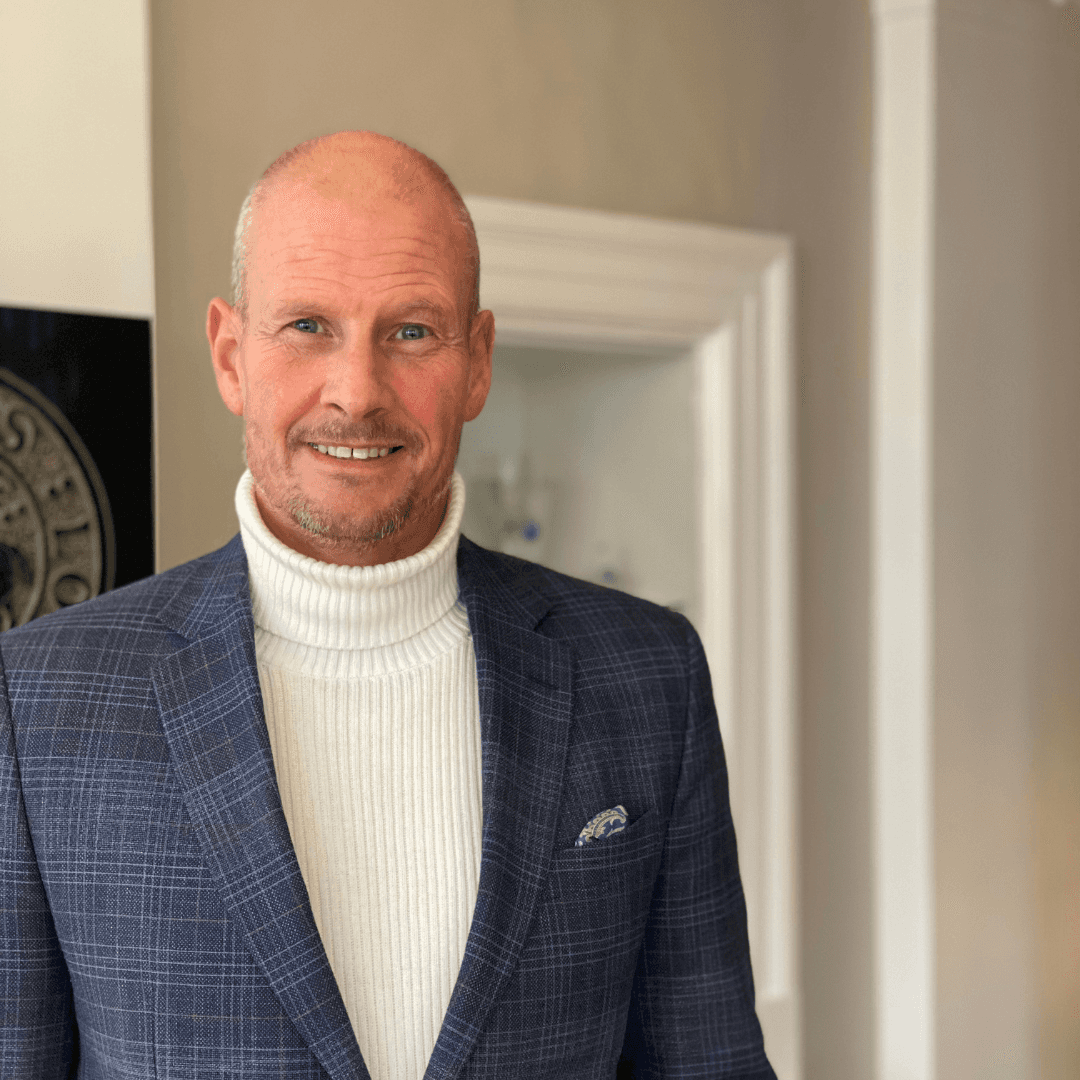
Stefán Vagn Stefánsson, chairman of the Progressive Party in the Northwest constituency, chairman of the committee on fisheries, and member of the budget committee.
The article was first published in Morgunblaðið on 8 June 2023.