"Only two parties meet the conditions, and therefore there is complete state of disintegration on the island."
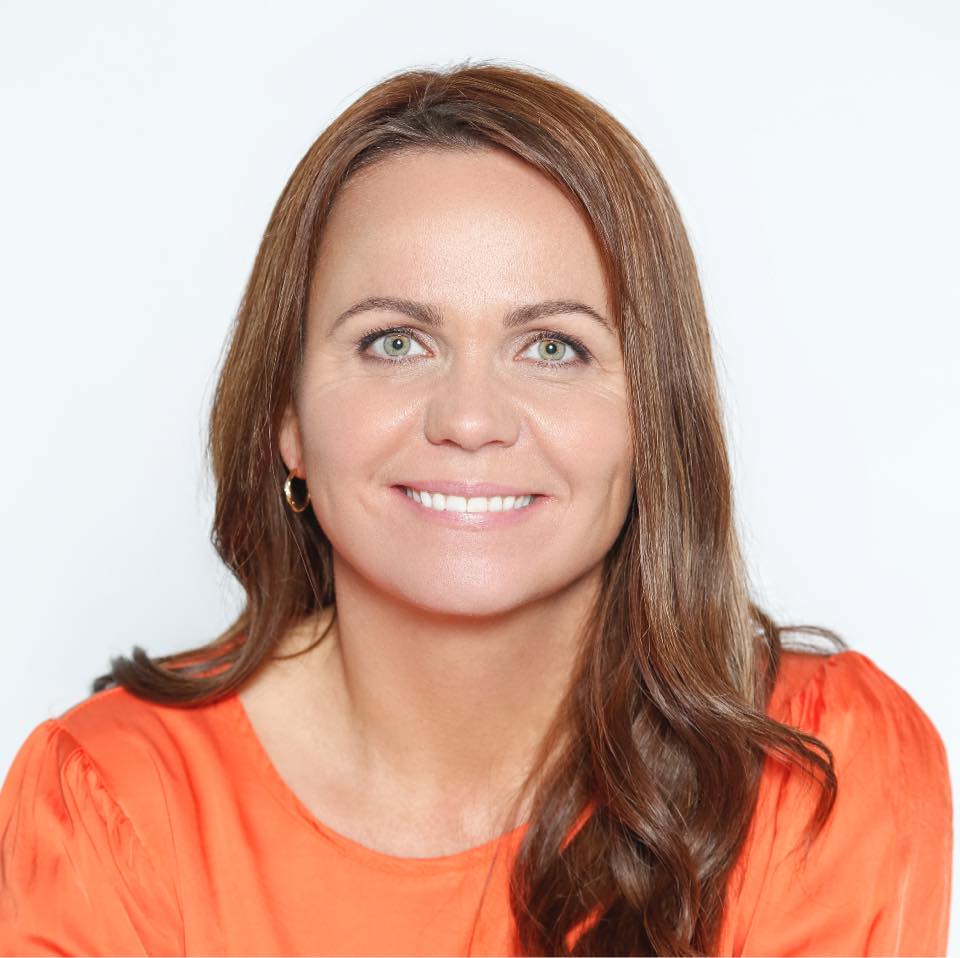
Ingibjörg Isaksen, MP and chair of the Framsókn parliamentary group, reviewed the decision of the Ministry of Food and the Regional Development Institute that there would be no further exemptions from processing obligations due to the allocation of the special regional quota to Grímsey. Previous exemptions were due to the regional development project Brittle Regions.
"Only two entities meet the criteria, and therefore, there is complete chaos on the island," said Ingibjörg.
"Others who want to receive this special regional quota need to set up processing on the islands with the associated costs, manpower, which is not available, and transport it to the mainland by ferry with even greater costs, a ferry which is not always available."
"The situation on the island is such that likely some residents are now considering moving. This decision raises eyebrows because it is a terrible setback for the community in Grímsey. Grímsey is not, by its nature, rich in resources, but it is truly rich in its proximity to the sea, and the residents of Grímsey have always lived off what the sea and the island offer. It hasn't always been easy to live in Grímsey, but the residents have always been diligent in their work and have managed to create value by venturing out to sea and, in recent years, building up tourism in the summer, a period that is always getting longer. Rather, we should look to support residence on the island with good transport infrastructure and investment in infrastructure because, although Grímsey is no longer a participant in the Regional Development Institute's Brittle Regions project, the community is still fragile and has probably never been more fragile than now.
In other words, after hundreds of years of settlement on the island, it is potentially coming to an end, and that is our responsibility. It's sad to see us take steps backwards in terms of state support for fragile communities in the country because, at the end of the day, it is a decision to maintain settlements in the country, maintain settlements across the country," Ingibjörg concluded.
Ingibjörg's speech in full at Althing:
"Honourable Speaker. Yesterday, the Ministry of Food and the Regional Development Institute concluded that there would be no further exemptions from processing obligations due to the allocation of the special regional quota to Grímsey, as previous exemptions were due to the regional development project Brittle Regions. Only two entities meet the criteria, and therefore, there is complete chaos on the island. Others who want to receive this special regional quota need to set up processing on the islands with the associated costs, manpower, which is not available, and transport it to the mainland by ferry with even greater costs, a ferry which is not always available.
The situation on the island is such that likely some residents are now considering moving. This decision raises eyebrows because it is a terrible setback for the community in Grímsey. Grímsey is not, by its nature, rich in resources, but it is truly rich in its proximity to the sea, and the residents of Grímsey have always lived off what the sea and the island offer. It hasn't always been easy to live in Grímsey, but the residents have always been diligent in their work and have managed to create value by venturing out to sea and, in recent years, building up tourism in the summer, a period that is always getting longer. Rather, we should look to support residence on the island with good transport infrastructure and investment in infrastructure because, although Grímsey is no longer a participant in the Regional Development Institute's Brittle Regions project, the community is still fragile and has probably never been more fragile than now.
In other words, after hundreds of years of settlement on the island, it is potentially coming to an end, and that is our responsibility. It's sad to see us take steps backwards in terms of state support for fragile communities in the country because, at the end of the day, it is a decision to maintain settlements in the country, maintain settlements across the country."