To be human

I have had many conversations with my daughter, who is 15 years old, about mental health and well-being. Conversations that have led to discussions about the general well-being of young people and ideas about expectations of life, happiness and what it is to be a human being. There are countless things that affect children and teenagers, and it has always been that way.
Especially rapid and constant changes have been happening in the environment of teenagers in recent years, among others related to social media and the development of society. The challenges are always becoming more complex and diverse. Despite a significant flow of information, which certainly has its positive sides, it is a great challenge for this group to sift through and sort out the stimuli and information.
I dare to assert that all human beings, at some point, struggle with anxiety, cognitive distortions, sadness, or stress. This is simply a part of life, as adults know. Therefore, it seemed very natural to me when my daughter asked me why there was a focus on teaching and books about bodily functions related to muscles, heart, bones, blood circulation, etc., in schools but not about being human?
It is an eternal struggle to be human; we all know that. Life gives and takes, the wind is not always gentle, and the valleys and peaks are variably challenging and many.
What's in the school lunchbox?
The most important thing is how we are equipped to face the challenges we encounter in life and how we can support other people. Preparation for this journey of life needs to start early, and the education must take into account the needs and development of teenagers.
We simply have to consider revising the national curriculum of primary schools in this regard and equip our children, providing them with the appropriate knowledge to nurture mental health. Helping them to recognize these natural challenges that we all need to face, work through their thoughts, self-image, and well-being.
The national curriculum of primary schools does not effectively cover this. It is essential to address this systematically within the school system to meet this urgent need. Teaching Cognitive Behavioural Therapy (CBT), for example, might be a methodology worth considering to teach children to adopt. Emphases like these will undoubtedly benefit them throughout life.
Mental health is a fundamental prerequisite for an individual to be able to utilize other skills and education in the future. Education like this will, of course, not replace professional assistance and institutions that deal with severe illnesses and poor well-being in children. However, it is an incredibly important factor in the long-term goals related to the health of the individual and the nation in the future.
I see no reason to list the articles, speeches, and writings that have discussed the well-being of children and teenagers and the lack of resources and space in the healthcare system for this group in recent years. There is significant value in teaching teenagers early to adopt methods aimed at nurturing their own well-being.
The well-being and mental health of children and teenagers is an issue that should be prioritised in our society. There is no need to detail what the consequences for the individual, the school system, and society could be if these matters are not addressed. Likewise, the benefits of emphasising these issues are obvious in the long run for the individual and society as a whole.
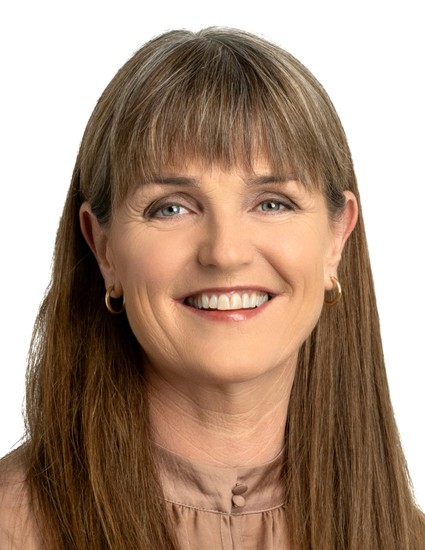
Guðveig Lind Eyglóardóttir, leader of Framsóknarflokkurinn in Borgarbyggð.
The article was first published on visir.is on 17 January 2022.