On the day of the child
Today we celebrate the 35th anniversary of the United Nations Convention on the Rights of the Child, the convention that profoundly changed our understanding of children's rights. This milestone is an important moment to look in the rear-view mirror and assess the achievements that have been made, but also a necessary reminder for all of us to continue on the journey to create a better society for all children.
Making children's rights a reality
In recent years, we have taken significant steps for children and families in Iceland. The laws on children's welfare, which came into effect in 2022, mark a turning point in how services for children are organized and delivered. With these laws, it is ensured that all children with support needs have a dedicated contact person who supports them and their families with individualized and integrated services.
We have extended parental leave from nine months to twelve and raised maximum payments. I am exceptionally proud of this milestone that supports parents in attending to what is most important in life. At the same time, this change contributes to equalizing the position of parents in the job market, thus promoting increased equality in Icelandic society. We have also made free school meals a reality for primary school children, which is another important step towards equality.
In the field of education, we have placed special emphasis on strengthening the foundational pillars of schooling across the country and ensuring that school services are equal and standardized regardless of residence. By increasing the tools and support that the school community can utilize and implementing a standardized assessment system for educational achievement, we have created a more trustworthy framework for the education of children and young people. A new standardized practice for the education of children with diverse cultural and linguistic backgrounds ensures children equal opportunities for learning and social participation. Additionally, we have increased access to vocational training across the country, which opens new doors for more diverse learning paths. Projects to improve facilities in secondary schools across the country, including at the Multinational School in Breiðholt, the Multinational School of Suðurnes, and the Vocational School in Akureyri, mark a turning point in vocational training. These improvements are not only an investment in the education system but also in the future of young people and society as a whole.
The mental health of young people has been a major issue during this term. With support for resources like Bergið Headspace, mental health services have been strengthened, with an emphasis on early interventions. Additionally, special counselling has been established for children and young people whose parents have mental health issues, aiming to reduce the likelihood of adverse impacts from family trauma. The project Cooperation after Divorce now offers digital learning materials that help parents prioritize their children's needs during changes in family circumstances. Furthermore, work is underway to implement the courses Connecting through Play in collaboration with preschools and primary schools, aiming to support parents in their parenting roles.
Achievements we can be proud of
It is clear that children's rights and related issues require long-term, multifaceted solutions and actions that address complex challenges. Therefore, it is encouraging to see that the results of The Icelandic Youth Survey 2024 provide clear indications that the policies and actions of recent years are already yielding results.
New data shows that 90% of children describe their health as very good, and children’s life satisfaction has increased from 74% in 2018 to 81% in 2022. The incidence of bullying has decreased significantly, especially in the 10th grade, where the proportion of children reporting being bullied is now 4%. In schools, more than 85% of children report feeling good, and 90% believe it is important to make an effort in their studies. Furthermore, fighting among young people is on the decline, and knife-carrying among children for the purpose of use as weapons is recorded at 0.7%.
Moving forward
The Convention on the Rights of the Child teaches us that societies that emphasize children's rights are communities that reap abundant rewards. It is our shared responsibility – children, parents, professionals, and governments – to ensure that children's rights are not just words on paper but a part of daily life. We are well underway on this journey, but we still have work to do.
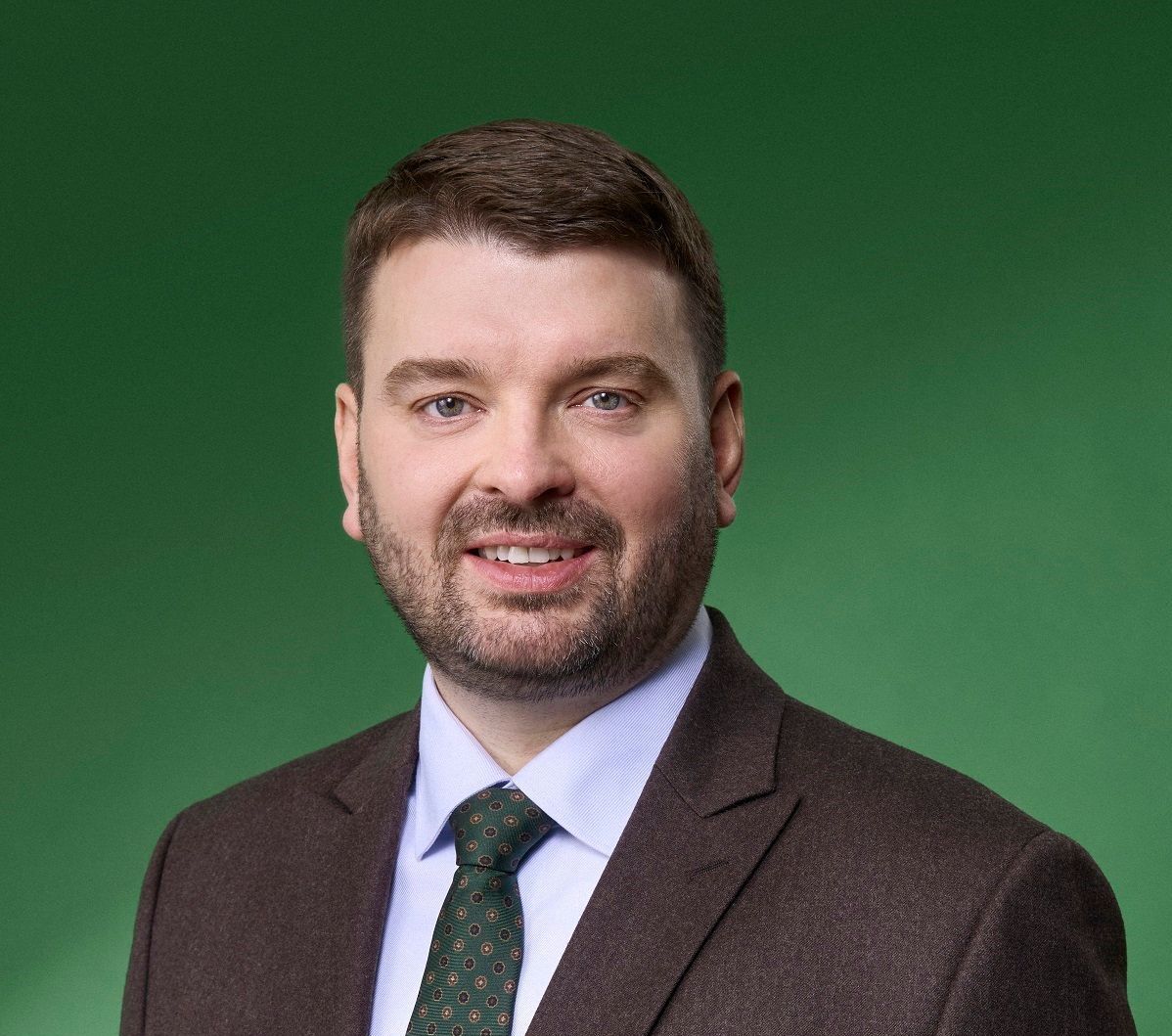
Ásmundur Einar Daðason, Minister of Education and Children's Affairs.
The article was first published on visir.is on November 20, 2024.