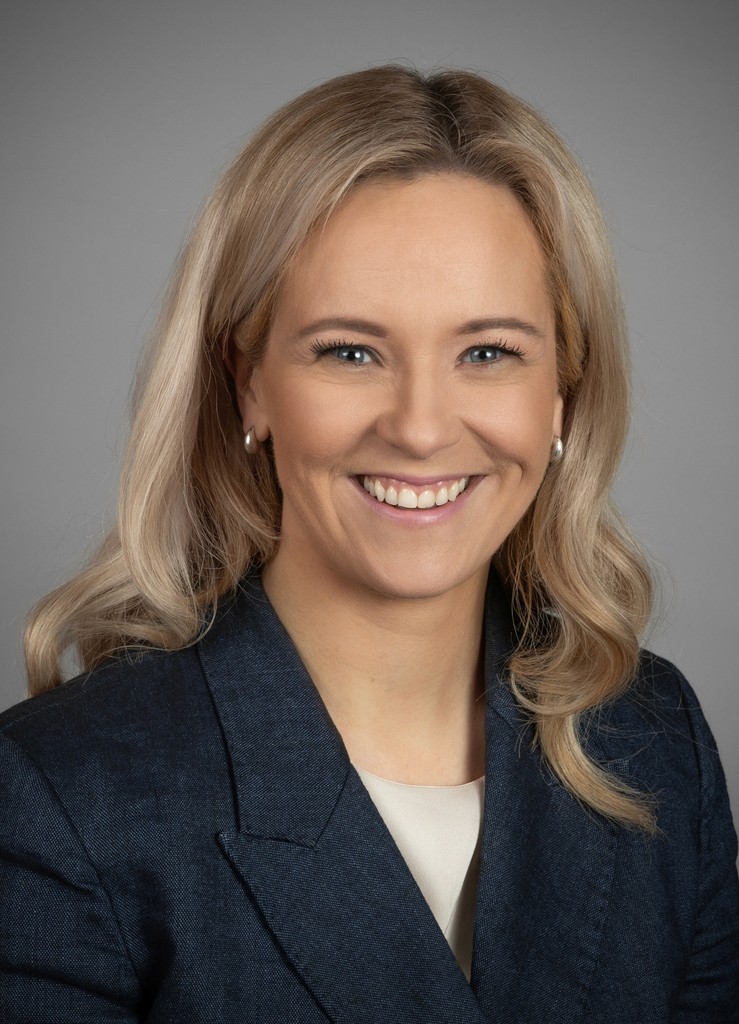
What journey is the Minister of Health on?
Healthcare issues have been a topic of discussion in society, indeed a field that matters greatly. Now that a new health minister has had a year to implement her policies, it's worth asking - what exactly has been done in healthcare?
Consultation and governance practices – trust is built on transparency
One thing Alma D. Möller faced criticism for were decisions and statements related to specialist medical services in Akureyri. It was pointed out that the minister had not consulted with the hospital's CEO or those directly affected by the service before discussing the changes. She later admitted that she had not held such consultations and also decided to withdraw from the matter due to family ties with one of the employees involved.
It is certainly positive when a minister takes a position and assumes responsibility by stepping aside due to incompetence. But the other point is also clear: decisions affecting such sensitive services should always be based on extensive consultations and professional analysis before proposals are presented. There, the criticism has support – because the healthcare system needs not unilateral decisions, but trust, consultation, and transparent processes.
Services in rural areas – equality in word and deed
Another issue that has sparked strong reactions is the potential reduction of services in rural areas, particularly in Akureyri where specialist doctors provide services far beyond their own area. Members of parliament and healthcare workers have warned that if doctors' contractor agreements are reviewed without solutions, the service will dwindle, and patients will have to travel south for services that were previously accessible at home.
This criticism is both valid and important. Equal distribution of healthcare is a cornerstone of the Icelandic welfare system. When the minister announces changes that might weaken services in rural areas, there must also be a plan on how equality and accessibility will be ensured. Without this, there is a risk that regional policy and healthcare policy will clash.
The POTS case – poorly considered ministerial policy
One of the issues that has elicited the strongest reactions is the POTS case.
The minister has been criticized for the decision to stop paying for intravenous therapy, which many individuals with POTS rely on to live with acceptable quality of life.
The POTS Association in Iceland has demanded that the minister retract her statements and recognize that this is a real medical treatment – not an imagined problem.
Although the ministry has appointed a working group to assess services for individuals with POTS, ME, and long COVID, patients have pointed out that the damage is already done. People have lost access to treatment, lost their ability to work, and lost trust in the healthcare system.
It's not good when a minister questions treatments that individuals say save their lives.
Implementation and follow-up – policy must translate into action
Repeated criticism has also been directed at healthcare policies being introduced without clear implementation plans and oversight. For example, a new action plan against antibiotic resistance. Although such a policy is important, many ask: how will success be measured? Who is responsible? When will there be a review?
These are not details – they are the essence of good governance. It's easy to introduce plans; harder to follow through. Here would be an opportunity for the minister to do better.
Janus rehabilitation – minister's misstep
One of the biggest criticisms directed at the minister concerns the decision not to renew the agreement with Janus rehabilitation.
Users and staff point out that the facility offers individuals with complex problems exactly the support they cannot find elsewhere — psychiatric assistance, contacts, and threads that help them reintegrate into continuous activity.
The minister has not really answered how she intends to ensure this group receives the services it essential needs. It's obvious that the minister, with this, is lengthening waiting lists and worse - reducing options.
This criticism is valid, and it's important to ask the minister: how will it be ensured that there is no service disruption, especially for vulnerable groups that rely on such resources?
Final words
It's necessary to hold ministers accountable because their responsibility is significant. Various issues have been pondered here, but ultimately we must be able to ask ourselves; is this journey in healthcare acceptable?
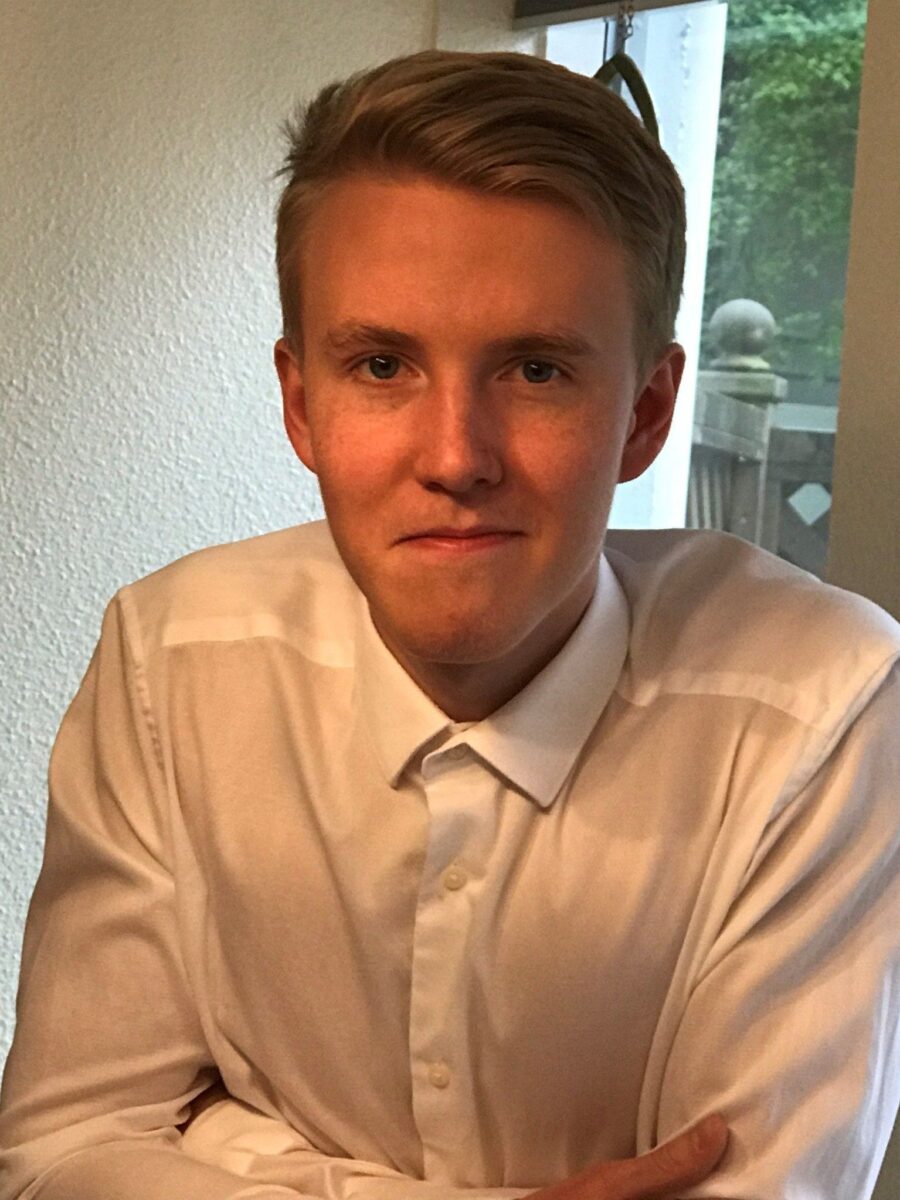
Kjartan Helgi Ólafsson, secretary of the Union of Young Progressives and board member of Young Framsókn Kraginn.
The article first appeared on visir.is 15 October 2025.