
Culture and creative articles
Samþykkt á 37. Flokksþingi
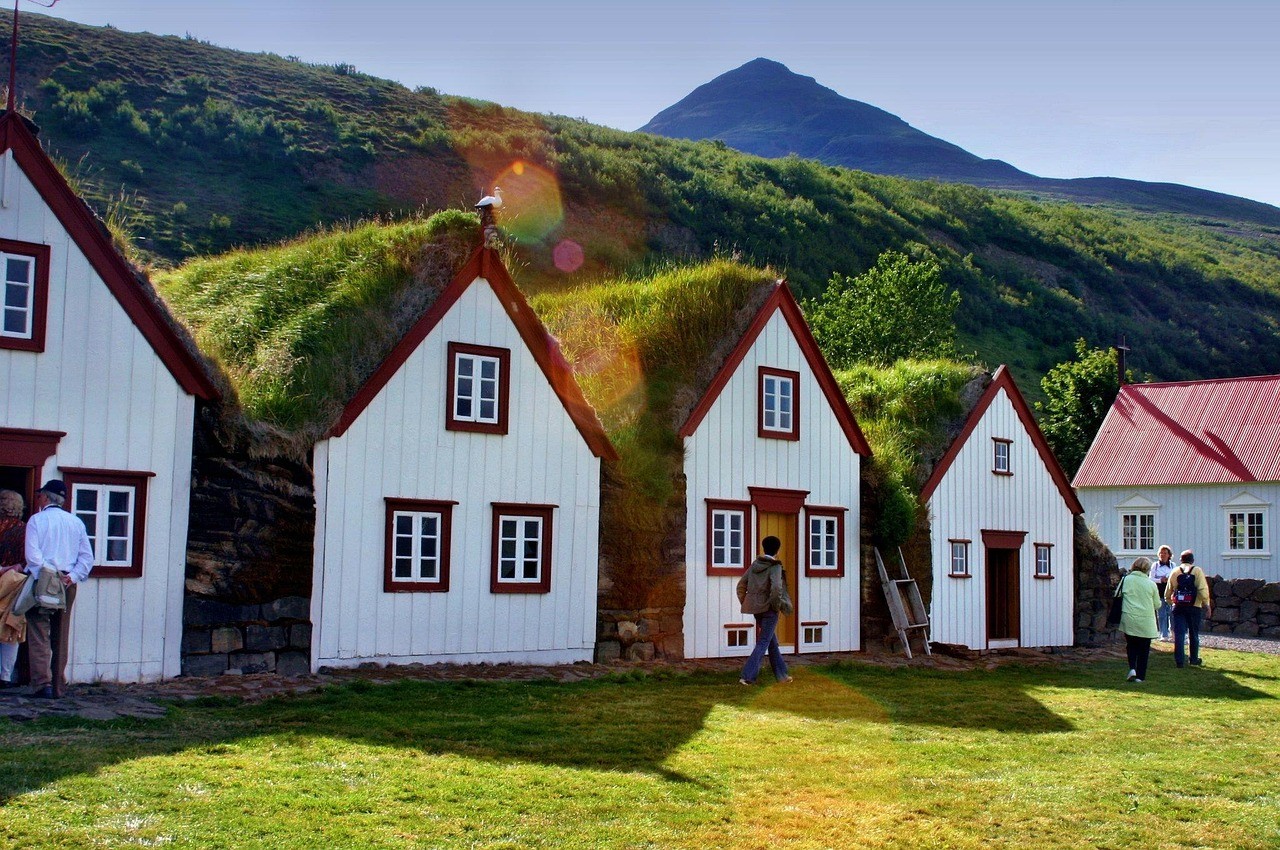
A vibrant cultural life has accompanied the Icelandic nation for centuries and makes Iceland a nation among nations. It creates increased quality of life for the country's inhabitants and is an attraction for tourists. In recent years, great strides have been made to improve the framework of culture and creative industries in Iceland under the leadership of Framsókn. The success of artists and companies in creative fields at home and abroad fills us with pride, but we know that the competition in these fields is fierce – yet Icelandic artists and producers continue to attract attention, break through, and carve out a noteworthy position in many sectors.
Framsókn wants to further strengthen the framework of culture and creative industries, where strong education and training, innovation and a good working environment, improved infrastructure and accessibility for as many as possible, along with targeted export of Icelandic culture, form an inseparable whole. By doing so, we contribute to competitiveness for the future, reinforce the pillars supporting growth and development, create exciting jobs with the participation of more people, inclusion, and increased sustainability. The goal is for the export value of creative industries to increase and to strive to increase the number of strong companies in creative fields. To achieve this, investment in creative industries is necessary, similar to what is done when it comes to education and the work environment of the nation's key industries.
Economic benefits of supporting arts and creative industries
The economic and social impact of art and culture is significant in interaction with the economy, such as in literature, design, filmmaking, visual arts, performing arts, music, game development, and other creative fields. The contribution of the creative industries to prosperity and quality of life must be assessed, including by improving analysis and research in these areas. For policy development to progress, the collection, processing, and dissemination of statistics on creative industries must continue to be strengthened,
e.g., with consideration of gender, regional, and equality perspectives. Among other things, Statistics Iceland needs to be tasked with working permanently to maintain and improve the so-called Cultural Indicators.
In a recent evaluation by the British consultancy firm Olsberg•SPI on the economic impact of the reimbursement system for filmmaking in Iceland, it was found that the economic activities of filmmaking in the country during the years 2019-2022 amounted to a total of 237.9 billion ISK. This includes accumulated direct, indirect, and induced economic effects of refundable film projects during the period. Overall, the reimbursement system has yielded positive results for the Icelandic economy, and every kroner spent on filmmaking in the system has returned 6.8 kroner in direct, indirect, and induced ways.
Inclusion and access to cultural activities across the country
Framsókn wants to ensure everyone has access and equal opportunities for artistic creation and culture because everyone has a story to tell. Equality should prevail in all arts and cultural activities in Iceland. Arts are one of the best ways to shed light on the diversity of society where people's creativity can flourish regardless of gender, background, and status.
Supporting the artistic creation of people with disabilities is necessary, giving them a larger role in creative industries through art workshops and theatre groups in collaboration with theatres, art museums, and the music scene. The festival List án landamæra (Art without Borders) emphasizes the art of people with disabilities and thus creates a platform and distinction within the cultural life in Iceland.
Framsókn understands that arts and culture have relevance, origin, and presence across the country. Therefore, it is necessary to support artists widely across the country with grants for creation and encourage them with travel grants to disseminate their art as widely as possible throughout the country. With this, we promote equality regardless of residence, both towards artists and those who want to enjoy art and culture in their home area.
In agreements with the largest cultural institutions in the country, it should be specified that they are required to serve all residents of the country and be encouraged to collaborate with strong regional cultural institutions. All over the country, there is impressive infrastructure in cultural houses and community centers, which it is right to encourage cultural institutions and independent artists to use more.
Framsókn wants to make the Safnahúsið (the Culture House) the center of children's culture that manages the Children's Culture Fund along with the project List fyrir alla (Art for Everyone).
The education system is one of the fundamental pillars of the cultural life in the country, and easy access to art education is crucial. It is necessary to ensure diverse art education in primary and secondary schools and professional art education at primary, secondary, and university levels. An important step has been taken with the abolition of tuition fees at the Iceland Academy of the Arts. By doing so, we promote more equal opportunities for art education, which contributes positively to society.
Improved conditions for artists and strengthening cultural funds
Framsókn wants to increase coordination, simplify, and strengthen the funding system for art and culture with improved access and efficiency in mind. The grant funds for artists are one of the foundations of a vibrant cultural life in Iceland and give artists the opportunity to work on the creation of their works with more vigor. Plans for changes to artists' grants will be implemented in stages.
Centre for creative industries and push on the international market
Films
Framsókn has supported filmmaking over the decades, among other things by establishing the Iceland Film Fund in 1978 along with the film rebate system in 1999. Filmmaking has established itself as a major industry, and its scope has expanded in recent years. Icelandic filmmakers are renowned for their outstanding professionalism, hard work, green priorities, and solution-oriented mindset.
The creation of a film policy until 2030 has created an environment for a richer film culture, offered more diverse education in filmmaking, strengthened the competitive position of the industry, and made Iceland an international brand in filmmaking. There, the increase in the rebate rate for filmmaking from 25% to 35% is key. Unique filming locations in Iceland have contributed to strong promotion of the country and supported tourism and related businesses. Framsókn emphasizes further strengthening the film industry in the country in good cooperation with the industry. Work will continue to implement a film policy for Iceland until 2030, the rebate percentage will remain 35% for larger projects, and the Iceland Film Fund will be strengthened to better support domestic film and television production. Streaming services will pay a special cultural contribution based on foreign models, which will go into the film fund to strengthen Icelandic culture and Icelandic language.
Game development and esports
Video games combine innovation and artistic creation. Framsókn wants the working environment for game development in Iceland to be internationally competitive. A predictable and efficient support system supports the growth of the game industry, making it easy for companies to hire foreign specialists to the country. Efforts must be made to make Iceland a sought-after venue for international esports competitions under the name “Gaming in Iceland”.
Music
It is important that efforts to strengthen the music scene in the country continue. A new music policy until 2030, along with the first comprehensive laws on music, marks a milestone in the country's music life. Framsókn emphasizes the full implementation of the new music policy, where music education and culture, the music industry, and targeted export of Icelandic music are nurtured. Framsókn emphasizes strengthening the music fund and successful implementation of new laws on comprehensive music, where the new Music Centre plays a key role in strengthening the industry’s infrastructure and creating new opportunities for musicians in Iceland. It must be ensured that Iceland is internationally competitive, among other things by using the opportunities offered by the project Record in Iceland and securing the rebate system for recordings. The visibility of Icelandic music on major international streaming platforms needs to be increased, and more equitable rights ensured for rights holders.
Performing arts
Framsókn wants to improve the environment and facilities for performing arts in Iceland. Quality facilities should be available for diverse performing art creation across the country and audience accessibility. The National Theatre, Iceland Dance Company, and a National Opera should have the foundation to offer performing arts of the highest quality. The Performing Arts Centre should support and contribute to increased visibility of Icelandic performing arts, continued support for the independent scene and amateur theatres, and the Performing Arts Fund re-evaluated and strengthened to support all types of performing arts. Framsókn wants to develop dance art in Iceland further and promote innovation in domestic dance creation. The first comprehensive performing arts policy should be completed with a special focus on dance, the independent scene, and the strengthening of performing arts across the country.
Framsókn wants to strengthen the foundation of Icelandic opera with the establishment of a National Opera within the National Theatre in stages. Such an arrangement creates synergy effects in operation and sharing of infrastructure and ensures that increased contributions to opera go towards strengthening the art form itself. A National Opera creates a workplace for many singers, musicians, designers, and directors, adds diversity to cultural activities with a focus on innovation, and contributes to the preservation and dissemination of Icelandic cultural heritage.
Visual arts
There is significant growth in visual arts in Iceland. Framsókn wants to promote the country’s visual art culture along with promoting increased knowledge and interest of the public in visual arts. The support system for visual arts in Iceland should be simple and efficient, and the visual arts fund strengthened. Work should continue to make Icelandic visual art visible and a growing industry. Framsókn wants to follow up on actions in the recent visual arts policy. The policy includes diverse support for art creation, education, and visual literacy that supports the art culture and increases the public's knowledge and interest in visual arts. Framsókn wants to work further with analysis and proposals for improvements to the housing conditions of the National Gallery of Iceland with special emphasis on the museum's preservation space as well as exhibition space for permanent exhibitions. It is important to be able to offer artist residencies for foreign artists, for the benefit of the public and Icelandic visual arts.
Literature
Icelandic literature is intertwined with the nation’s history, preserving our story and self-understanding. The literary heritage is our most significant contribution to world culture. Framsókn considers it important to promote ambitious literary culture and a strong publishing industry so that people of all ages have easy access to a diverse range of reading material. It is necessary to continue strengthening funds in the field of literature and promote an encouraging working environment for writers and illustrators. By doing so, we enhance the status of Icelandic language and ensure that our story continues to be written in Icelandic.
It is important that the new literature policy is implemented, presenting three main objectives for the creation and publication in Icelandic to strengthen the position of the Icelandic language in society; for increased and improved reading everywhere in society; and encouragement for the book sector on innovation that takes into account technological development and rapid societal changes. Special emphasis is placed on children and young people on one hand and the Icelandic language on the other.
Framsókn also believes it is timely to review the regulatory framework and modernize the public apparatus related to literature and Icelandic language in the changed landscape of the Icelandic language and book publishing due to the advent of AI, language technology, streaming services, and other rapidly advancing technologies these days.
Design and architecture
Icelandic design and architecture are important catalysts for change and tools for innovation that can benefit our society in diverse ways. Framsókn wants to increase the prominence of design in Icelandic business and deliver growing results, professionalism, and quality for the benefit of Icelandic society. The current policy on design and architecture and actions in its name aim at that, and it is crucial that it is implemented. The Design Fund needs to be strengthened to increase knowledge, job creation, and value creation in these fields, along with promoting increased export of Icelandic design by strengthening promotional and marketing efforts abroad. Ensuring Iceland's participation in the Venice Architecture Biennale is necessary.
Museums and cultural heritage
Museums are the memory of nations where the present can reflect on the past and thus contribute to the education, understanding, and awareness of an independent nation of itself, its history, nature, culture, and language. Framsókn wants to promote a stronger framework for museum operations in the country and promote increased cooperation or merger of museums. It is a joint task of the state and municipalities to ensure this foundation, and we do so by operating strong national museums in every field, as well as a network of regional museums that preserve the history and culture of regions and districts across the country.
Supporting museums and their staff to tackle the challenges of new times, including strengthening the museum fund and emphasizing cultural literacy, is essential. Libraries should be enabled to educate and entertain with the latest media. Archives need to be able to carry out the preservation of electronic data, both public and private, based on public policy. Regional museums, art museums, and natural history museums should be supported to make their collections accessible and to communicate them in an engaging manner so that their operations can support culture-related tourism as widely as possible across the country and thus disseminate our history and culture beyond borders.
Professional operations and good facilities for preservation are key factors for museums to thrive. The housing problem of the National Archives of Iceland needs to be solved for the future. The possibility of shared preservation facilities for state-owned museums should be explored, especially the collaboration between the National Archives of Iceland and the National and University Library of Iceland. Similarly, permanent preservation facilities need to be considered for all three national museums, regional museums across the country, and synergy regarding such specialized facilities.
Strengthening and developing principal historical sites
Framsókn wants to support the development of historical sites and create an appropriate framework for them in consultation with local residents at each location. The purpose of developing historical sites is to protect the place itself and pass on the story to future generations. Historical sites play a crucial role in the culture and history of the nation and are also part of the landscape, environment, and nature of the country. Prominent historical sites are found widely throughout the country and are suited to be interesting destinations for domestic and foreign tourists. For example, one can mention Þingvellir, Skálholt, Hólar, Oddi at Rangárvellir, Hraun in Öxnadal, Hrafnseyri at Arnarfjörður, and Skriðuklaustur in Fljótsdalur.
