
Fisheries
Samþykkt á 37. Flokksþingi
Fishing Industry
The resources of the sea are the shared property of the Icelandic nation. The fishing industry has long been the most powerful export sector and a cornerstone in the nation's generation of foreign currency.
The fishing industry must meet the conditions set out in the law on fisheries management for the industry to operate under a consensus. Firstly, the resource must be utilised sustainably. Secondly, the utilisation of the resource should be profitable and provide returns to the nation. Thirdly, it should secure employment and settlement across the country. It is important that there is transparency in the ownership of fishing companies. It is crucial to pay close attention to the safety of sailors.
Framsókn supports the quota system in the fishing industry so that fishing is managed in quotas as it is today, as this arrangement has created great value for the national economy.
It is reasonable for the fishing industry to pay a fair fee for the use of the nation's shared resources. It is important that the regulation regarding all types of seafood is clear to ensure increased profitability from diverse utilisation of the resources found in the sea around Iceland.
The regional solutions of the fisheries management system need to continue to be used in a responsible manner. The quotas available annually for employment, social, and regional measures must be strategically utilised to ensure settlement security in the most vulnerable regions.
Research, Innovation and Development in the Fishing Industry
In recent years, there has been significant growth in research and development on the full utilisation of marine catches, but also on the biomass from the sea. Notably, research on marine plants and sea animals, such as algae and seaweeds, crabs and shellfish, is worth mentioning. Several entities around the country have taken their first steps in this research and development. Development and innovation centres are emerging in rural areas, which, in collaboration with schools and strong institutions, can become important aspects of the development of the economy over time.
Framsókn believes it is necessary to review laws and regulations related to the utilisation of algae, seaweed, and crab and shellfish farming. The aim is to enhance utilisation and increase predictability for those aiming to increase the utilisation of new or underutilised species of seafood. Incentives need to be created for entrepreneurs in areas where species are not utilised.
Aquaculture
There has been significant growth in aquaculture globally over the past decades, and here in the country, it is a rapidly growing industry that has been the subject of considerable discussion. Framsókn wants to reach a consensus on the development and operation of aquaculture in Iceland. Such consensus is only achieved with a clear legal framework, scientific research, sustainable resource utilisation, and active monitoring. In the development of aquaculture companies in Iceland, regional perspectives need to be considered to ensure that aquaculture contributes income to the communities where the companies are located.
Aquaculture can be an important part of society by offering opportunities for community projects, education, and direct connections to nature and the environment. This strengthens people's ties to their home region and promotes a positive image of aquaculture. With a clear and well-executed policy, Iceland can make use of these advantages and stand as a model of sustainable resource use while promoting environmental protection and community empowerment at the same time.
Opportunities and Innovation
Aquaculture creates value for local communities and for the nation's economy as a whole. It provides an important opportunity for economic growth and job creation, especially in rural areas. It supports a more diverse economy and offers many opportunities for young people and entrepreneurs. The development of sustainable aquaculture in Iceland can also contribute to building knowledge and specialisation in related fields. Universities and research institutions can work closely with the industry on research and innovation, which benefits both the scientific community and the economy. Iceland can leverage its strong position in the technology sector and research to develop innovations in aquaculture. This includes better feed development, disease prevention, and sustainable farming methods that reduce environmental impact and enhance the viability of the production.
Responsible Food Production
With a focus on sustainability and fish welfare, Icelandic aquaculture can demonstrate how food can be produced responsibly. This contributes to sustainable development and can give Iceland an advantage in international markets as a desirable source of high-quality aquaculture products.
Legislative and Regulatory Environment
It is important for there to be transparency in the ownership of aquaculture companies. There has been significant consolidation of ownership where nothing prevents one or a few entities from acquiring all the valid farming licences in the country and thus controlling all fish and smolt farming at sea and on land. It is crucial to consider how to limit the consolidation of ownership in aquaculture in Iceland and whether foreign ownership of farming licences in Iceland should be restricted. It is important to look at developments in neighbouring countries in this regard. It is necessary to ensure that renewal can take place in the industry and that the weight of entrepreneurial activity in the industry is secured.
The framework and legal environment of aquaculture need to be clear and efficient for the industry to thrive in harmony with the environment and society. Operations in aquaculture should consider environmental, climate, health, and regional perspectives. It is important that research is adequate and monitoring of aquaculture is active. It is essential to involve qualified scientists to review the methodologies that the Marine Research Institute uses for capacity assessment, risk assessment, and monitoring of land-based farming. Supervisory authorities need to be located close to the operations to provide active oversight.
Framsókn wants to clarify the permits for reasonable fees from aquaculture. It is crucial that the charging from aquaculture does not hinder the development and competitiveness of the industry. Particularly, attention must be given to the adaptation of newcomers and the ability of smaller operators, who enjoy less economies of scale, to bear the fees.
Protection of Wild Stocks and Fishing Rights
Here in the country, many rely on income from fishing in freshwaters and rivers. It is crucial to protect the wild salmon stock and ensure that the biological diversity in rivers and lakes is not threatened. Ensure oversight of fry releases. The consolidation of fishing rights, including through large-scale land purchases by individuals or companies, needs to be specifically examined. It is important that the government also sets a good example here.
Whaling
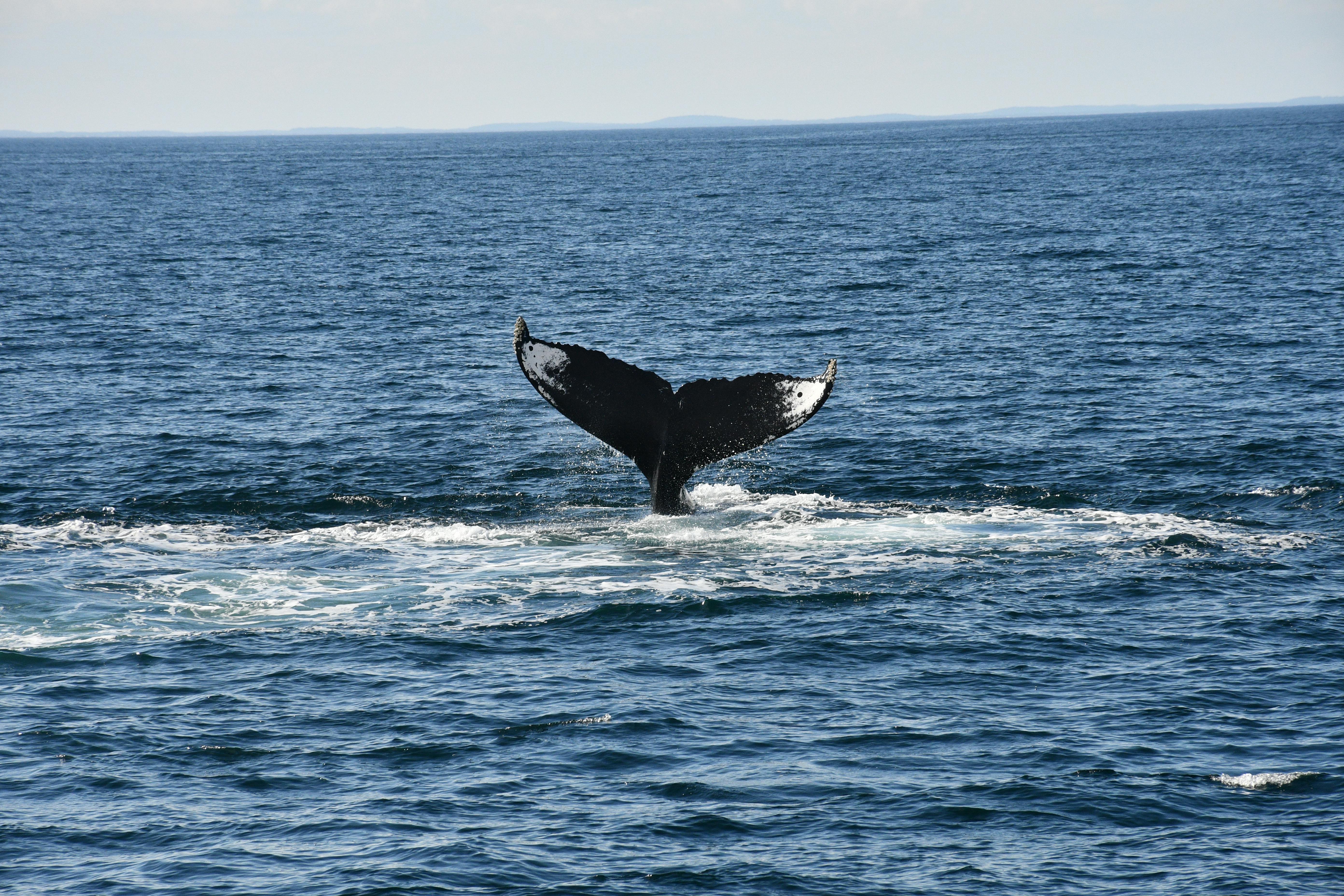
Framsókn supports sustainable whaling as long as it is permitted by law. Like other industries, it is necessary to ensure predictability in the industry for those who practice it and operate legally.
Coastal Fishing
Framsókn emphasises that the coastal fishing system is reviewed so that coastal fishermen across the country have the same opportunities for fishing. Attention must be paid to regional division and the allocation of permits accordingly.
